
Tarraco, History in front of the sea
Roman stone with a Mediterranean horizon.
Tarraco is not 'visited', it is visited. It is today's Tarragona, yes, but with a Roman layer that is still alive: walls that touch each other, squares that hide stands and monuments that appear when you least expect it.
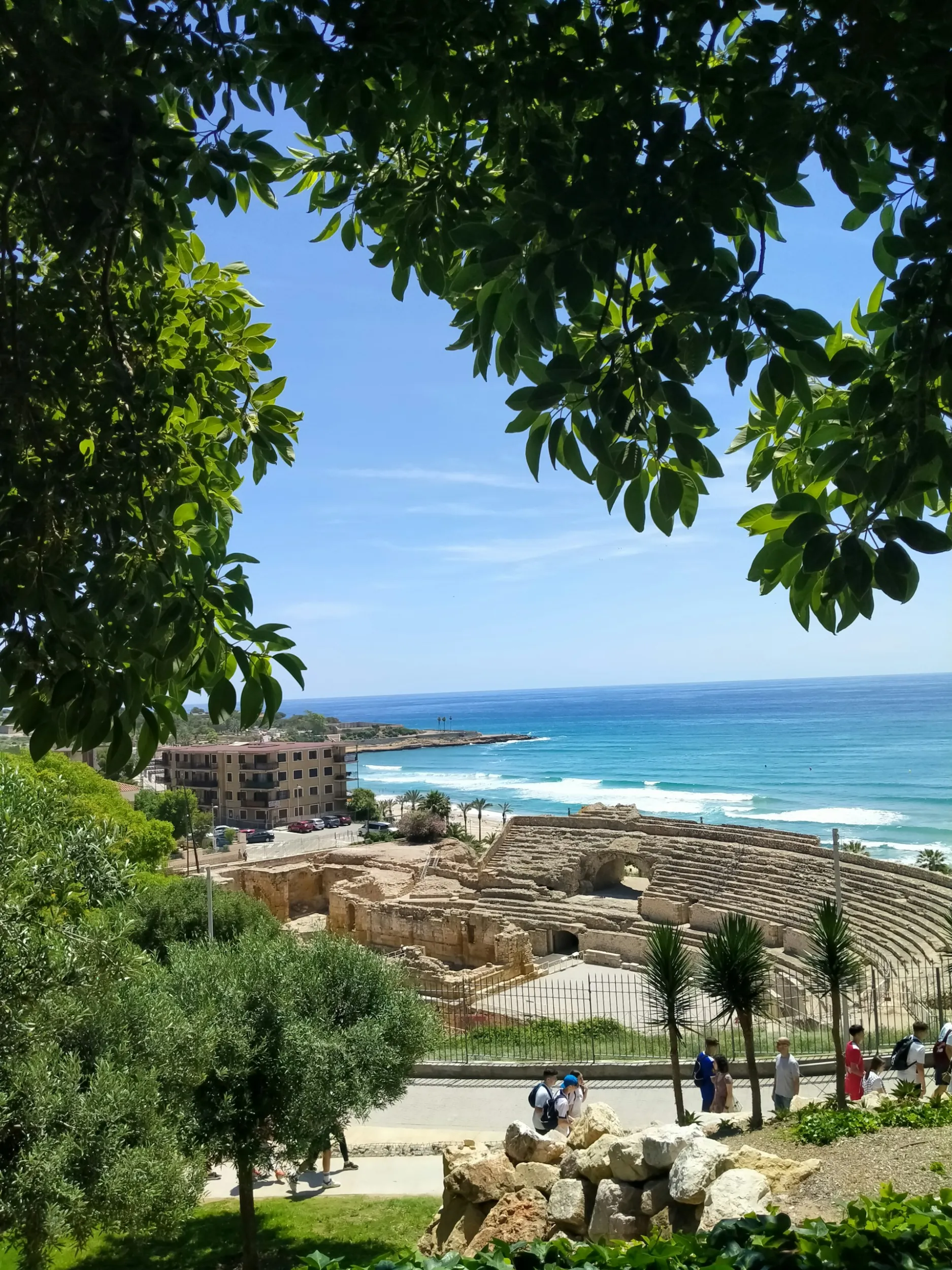
Here the story has a unique feature: it is open to the Mediterranean. The amphitheatre overlooks the sea, and this contrast between stone and horizon makes the past feel very present.
The big stage
Amphitheatre, circus and forum
The amphitheater is the inevitable postcard and also the symbol of Tarraco: a large show space next to the Mare Nostrum. Great events were held here and also episodes that marked the memory of the city, such as the martyrdom of Fructuosus and his deacons.
The circus impresses by its scale and by how it is integrated into today's city. It was built at the end of the first century AD, and you can still understand its dimension, its corners and that labyrinthine feeling as you descend into its bowels. In this world even local 'stars' appear, such as Eutyches and Fuscvs, charioteers who today would be equivalent to sports idols. And there is no lack of the forum, the meeting point and power, where the local elites met.
High Part
The place of worship
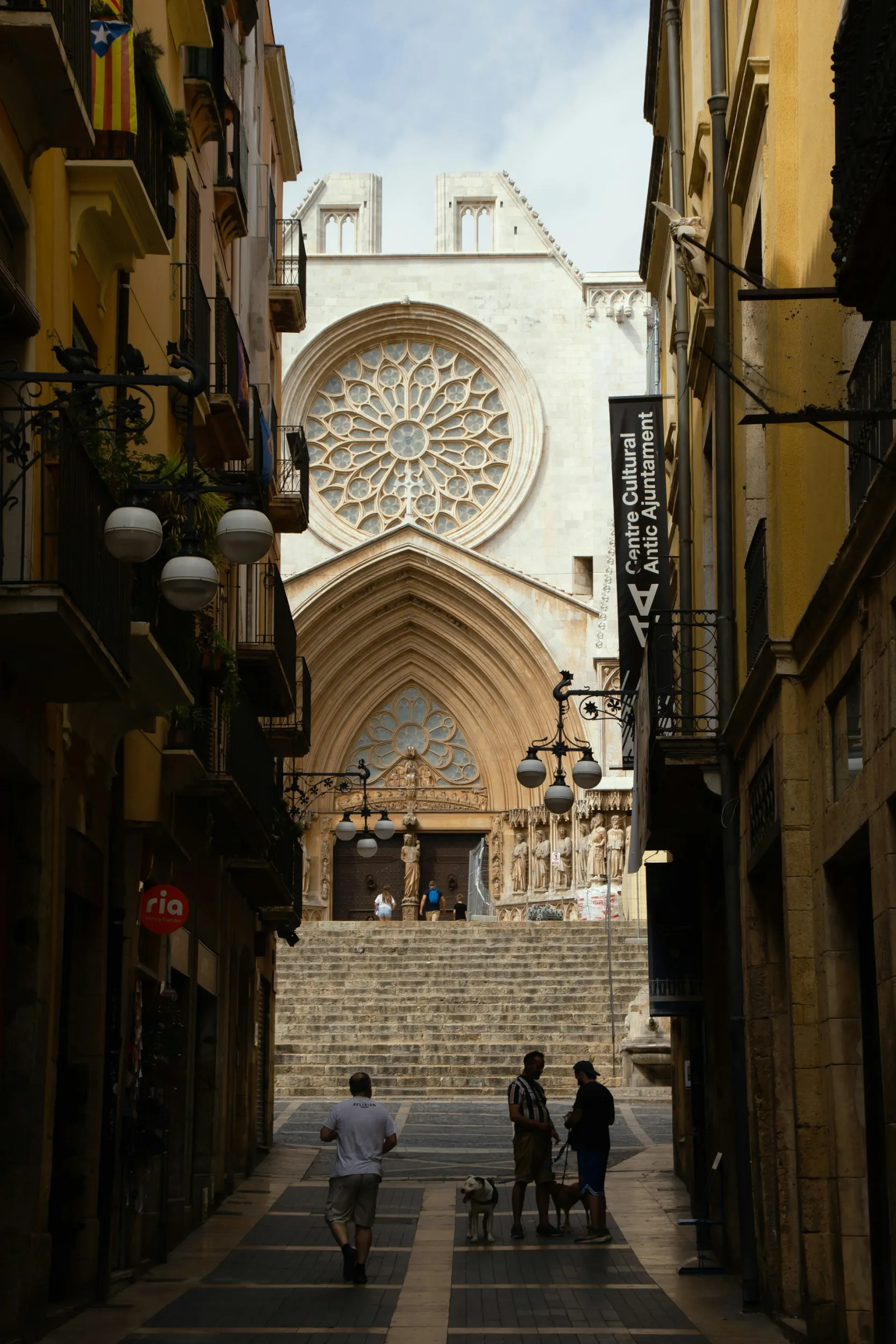
The upper part was the area reserved for worship. Under the cathedral was the Temple of Augustus, and a visit to this area helps to understand the most ceremonial Tarraco.
To top it off, the History Museum and the Praetorian Tower add context and views that bring order to everything you have seen at street level.
The Rome of infrastructures
Water, stone and villas
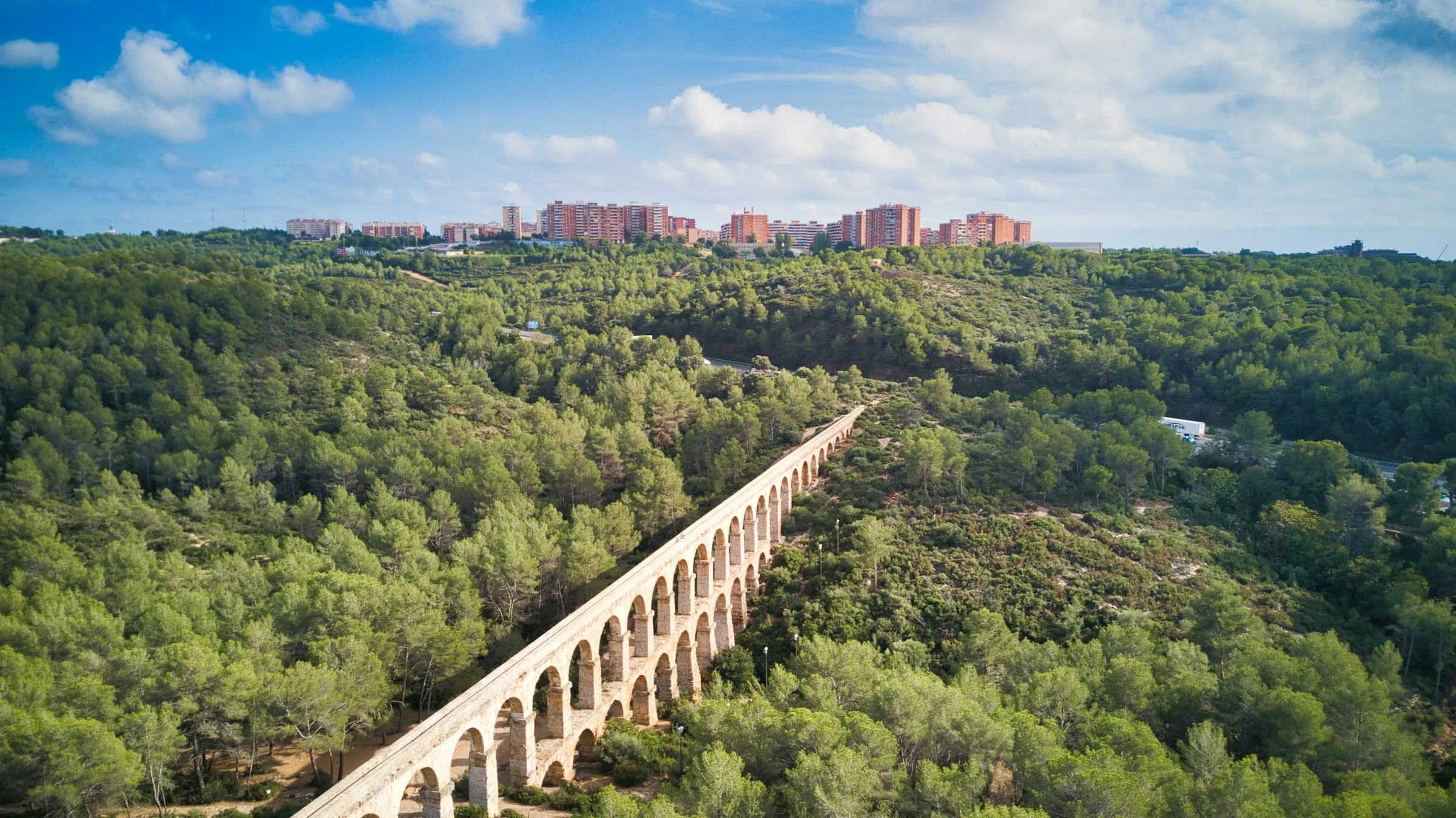
The Romans were masters of infrastructure, and here it shows: aqueducts were built to bring water to the city. The Devil's Bridge (Les Ferreres aqueduct) is the main visible piece, and today it is toured in an eco-historical park environment with routes and activities.
If you want to expand the 'Roman map' outside the urban center, this walk proposes two stops that are worth on their own: Centcelles (Constantine), a late-Roman complex with a dome decorated with Christian mosaics; and Els Munts (Altafulla), a very well preserved aristocratic villa with mosaics, mural paintings and baths.
La petjada al mapa
Els nostres imprescindibles
Sol i Mar
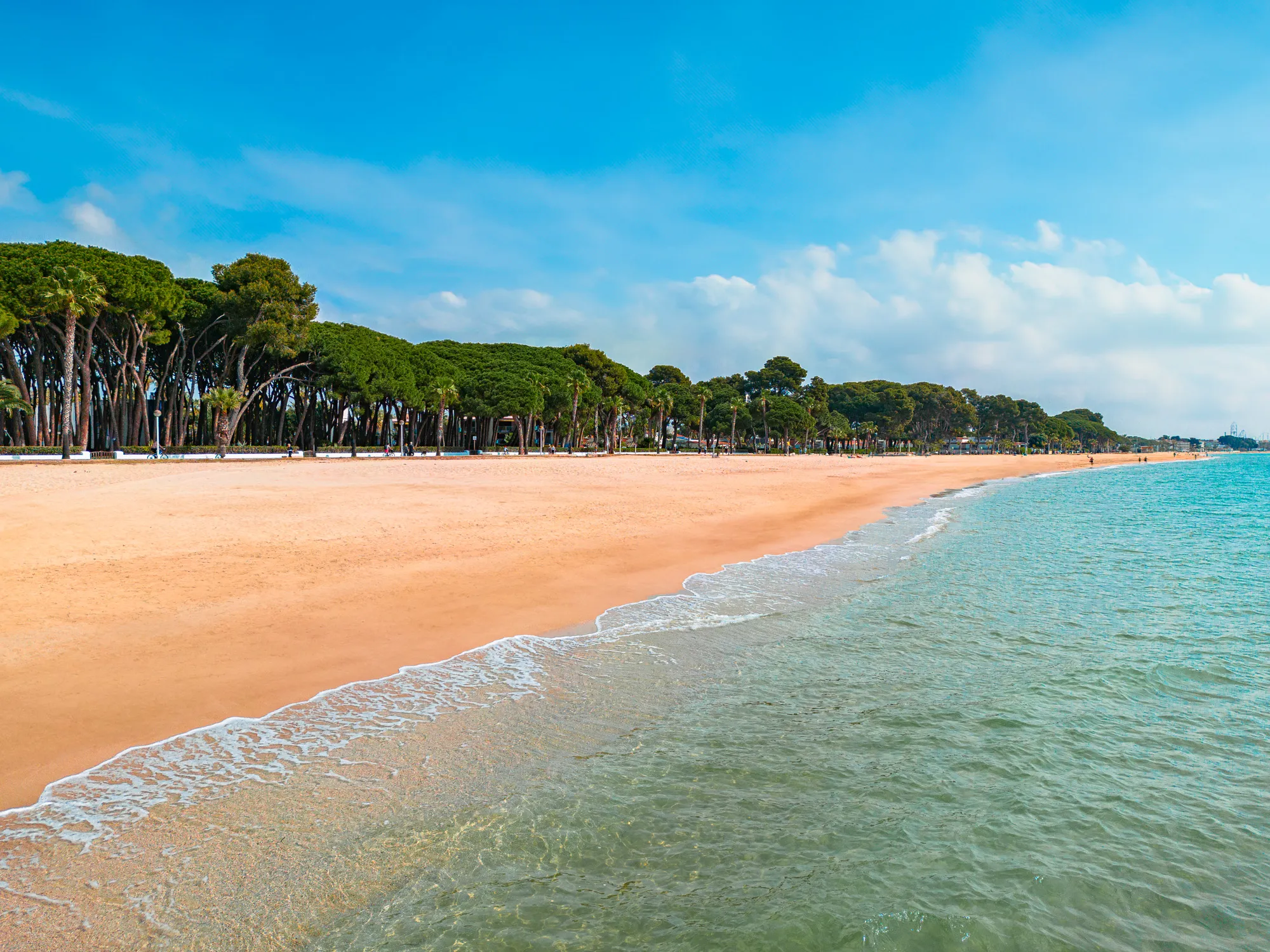
El litoral a tres ritmes
Descobreix →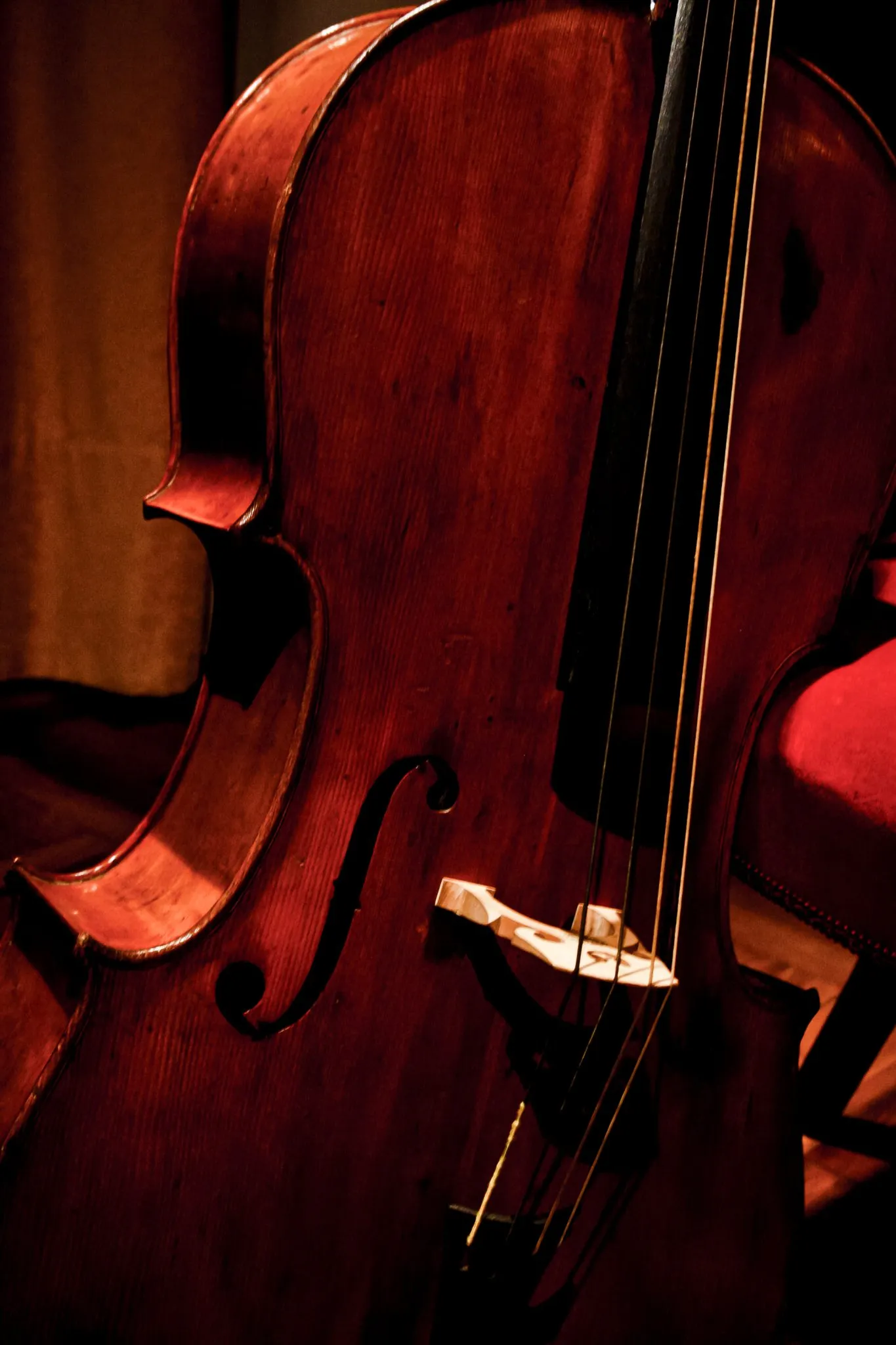
Cultura
El Vendrell, música davant del mar
Descobreix →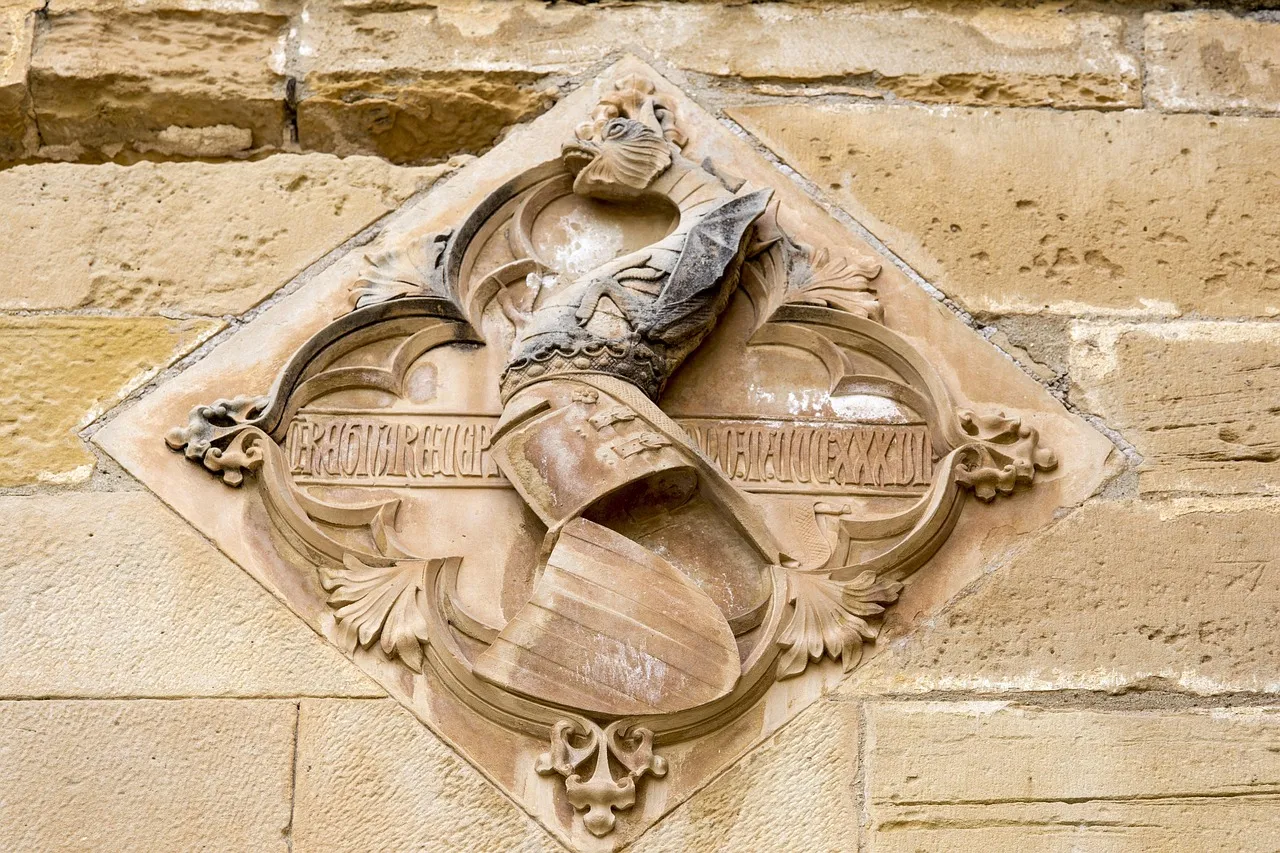
World Heritage Site
The Conca de Barberà, stone and legends
Descobreix →Culture
The Landscape of the Genies
Descobreix →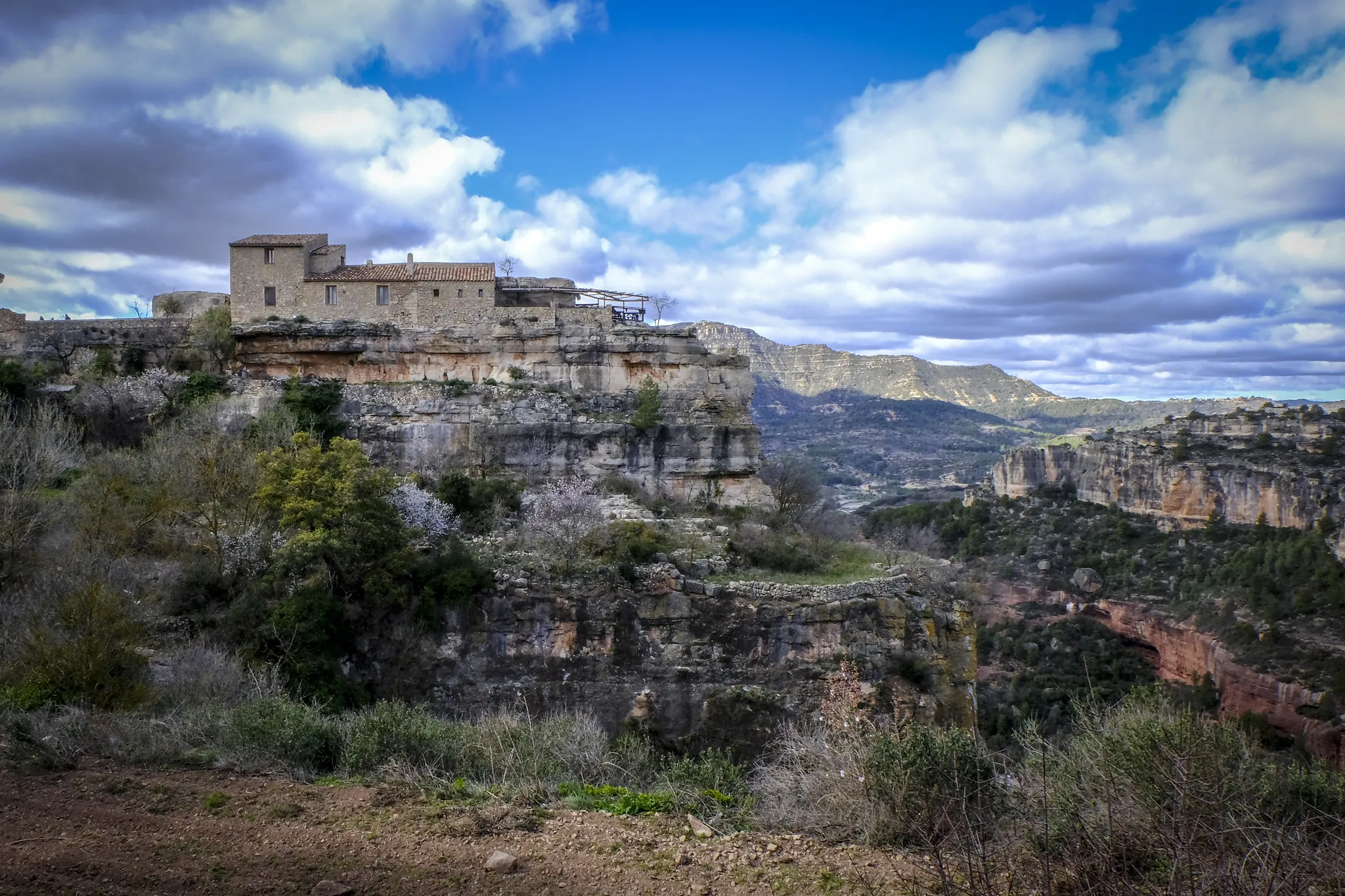
Nature and Spirituality
Montsant, the sacred mountain
Descobreix →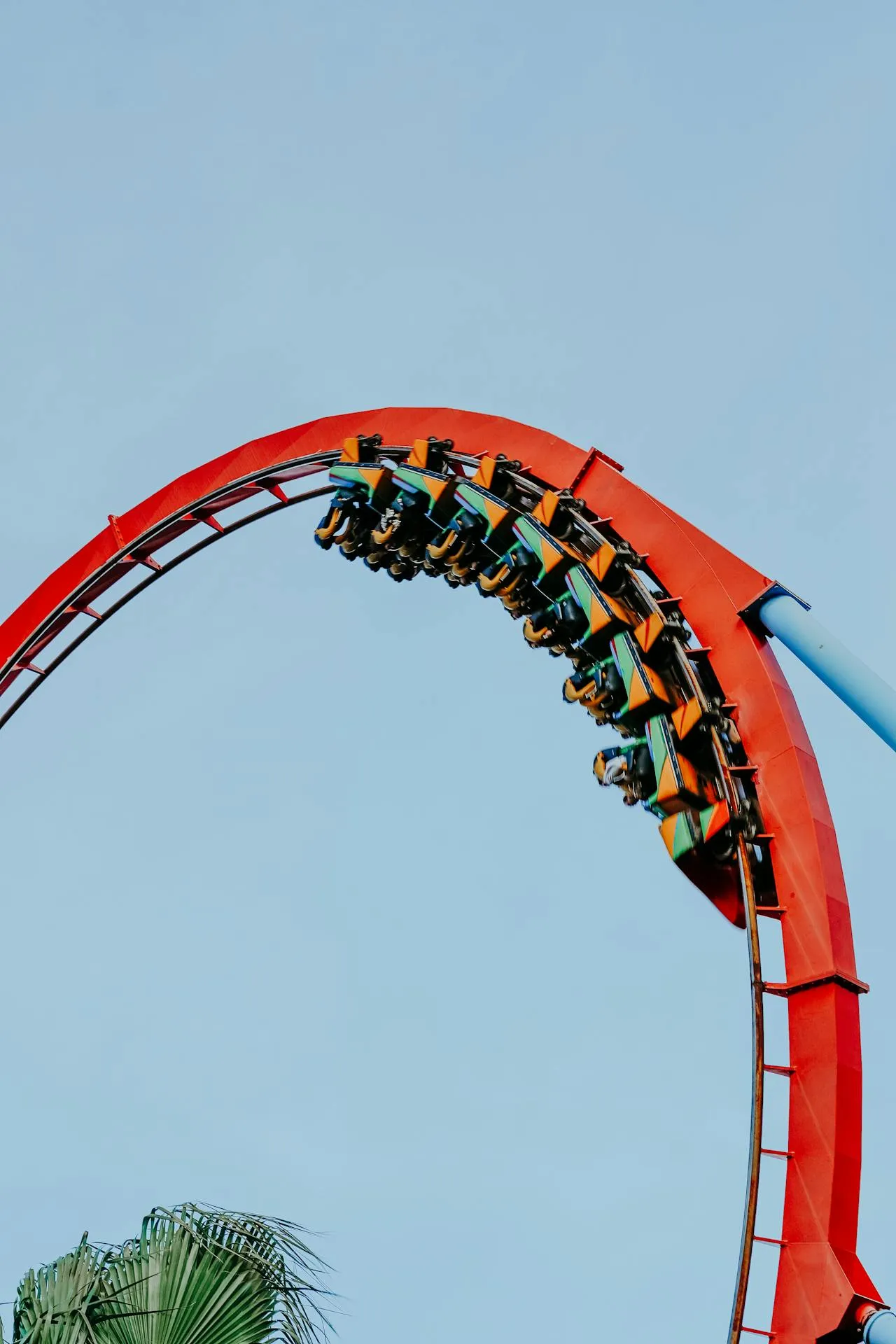
Leisure and Fun
PortAventura, adrenaline with the family
Descobreix →
Living tradition