Calçotada in Valls
Travel ideas

Calçotada in Valls

scheduleHivern placeValls © copyright_ajuntament_de_valls_-_vilaniu_comunicacio_manel_r._grain_1
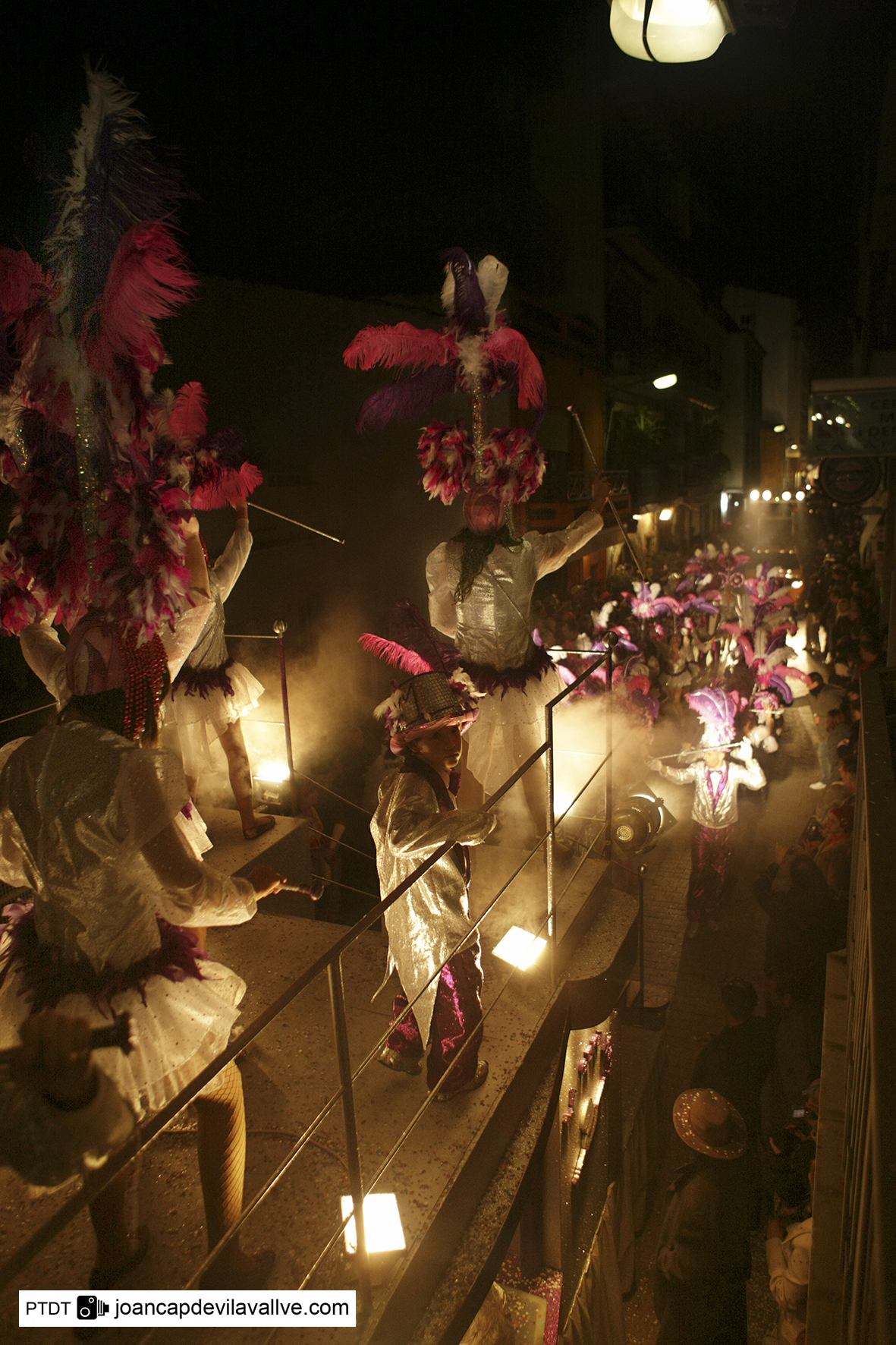
In Valls, the calçot is an institution. The Great Festival of the Calçotada is usually held at the end of January or beginning of February and is a festive day that transforms the streets and squares of the capital of the Alt Camp into a festival. But if Valls is the nucleus, the calçotada festival radiates many other towns on the Costa Daurada, and the rest of Catalonia. The celebration begins early in the morning, with the Calçotada Market, where you can see the first specimens of herds that then enter the competition in the Calçots Growers Contest, one of the most anticipated tests and which is held before the Salsa Contest and the Calçot Eaters. Usually there is an extensive program of popular events and contests, all of them related to the calçot. PHOTO: @ajuntament-de-valls-vilaniu-comunicacio-mael-r-granell

What is the menu for a good calçotada?

The calçotada would be like an Argentine asado, the best thing is to be able to be invited by a local person and make it homemade on a particular estate. In any case, the restaurants in the area, especially those with a patio or garden, have turned it into an event for meetings between family and friends.

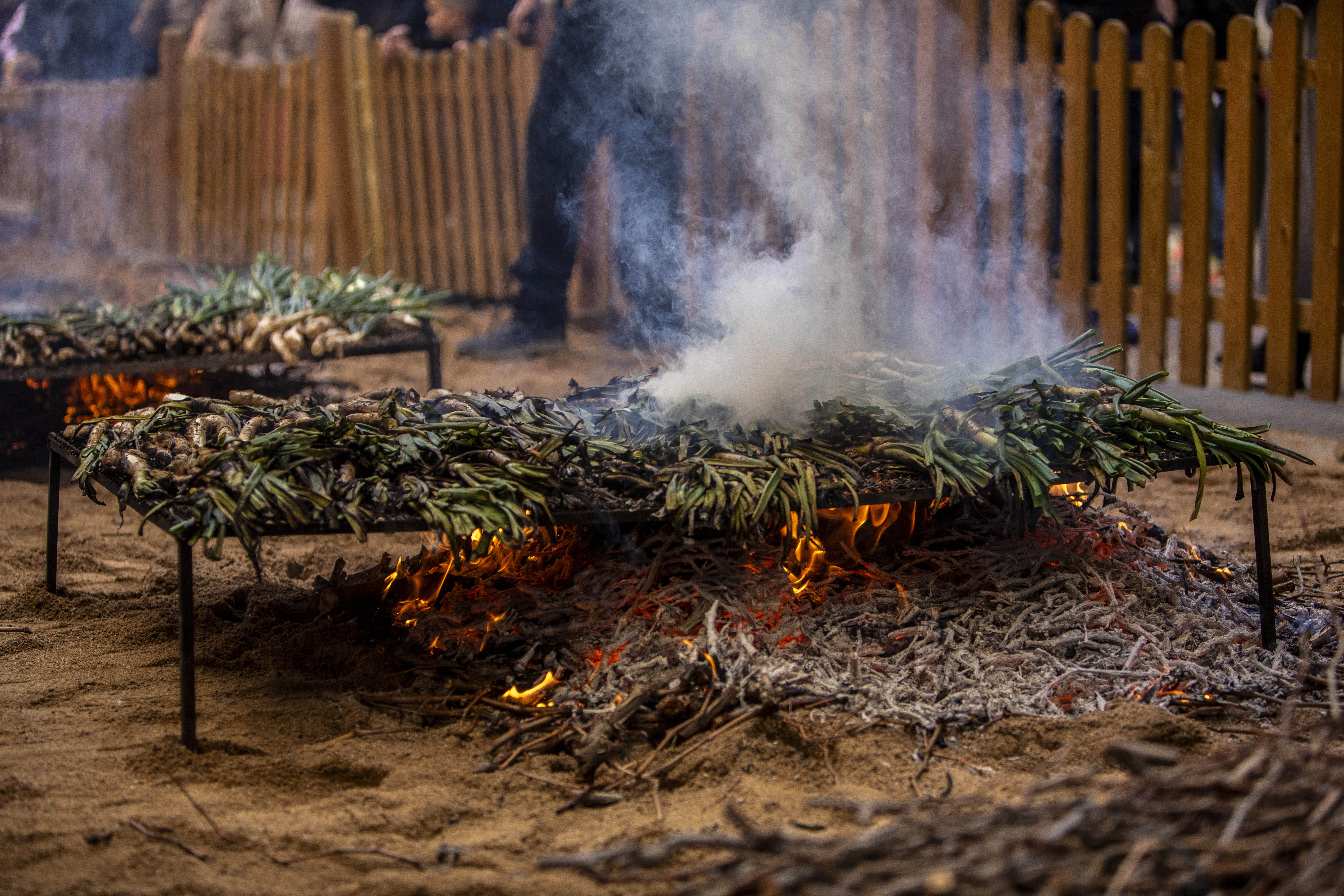
First, the calçots are served well toasted on a tile to preserve the temperature. The idea is that the first burnt layer is removed from them as if it were a matter of unsheathing an onion with your fingers. This sweet and tasty onion is soaked in romesco sauce and eaten by raising your arm to insert it into your mouth as you chew. Usually afterwards a grilled meat, sausage and artichokes are served, with a good slice of country bread with aioli.

Where does this tradition come from?

Legend has it that the discovery of calçots is due to a farmer from Valls called Xat de Benaiges, who, at the end of the nineteenth century, burned some sprouts of old onions in the fire. Instead of throwing them away, he peeled them and tasted them, discovering that their inside was very sweet and not very fibrous. The municipal archive of Valls accredits the existence of calçots in this town at the beginning of the twentieth century, but not that of the peasant.

The Calçotaire tradition has been passed down from generation to generation. What seems to be proven is that the calçot was born in the Valls area as a result of the late white onion. It was an onion that was grown in the territory and had several uses, especially medicinal. What the calçot really is is the grill of when the white onion is dried. Then this onion was sown again and at the same time used to eat during the winter. The chives began to be thrown a little soil to make them more tender and longer. Thinking of the name they said, to throw dirt, like a person who puts on shoes, calçot.

In the 50s it became popular in Valls and around 70 in Barcelona. This tradition has now become an excuse for brotherhood meetings, one of the great intangible heritages of the Mediterranean.

How is romesco sauce made?

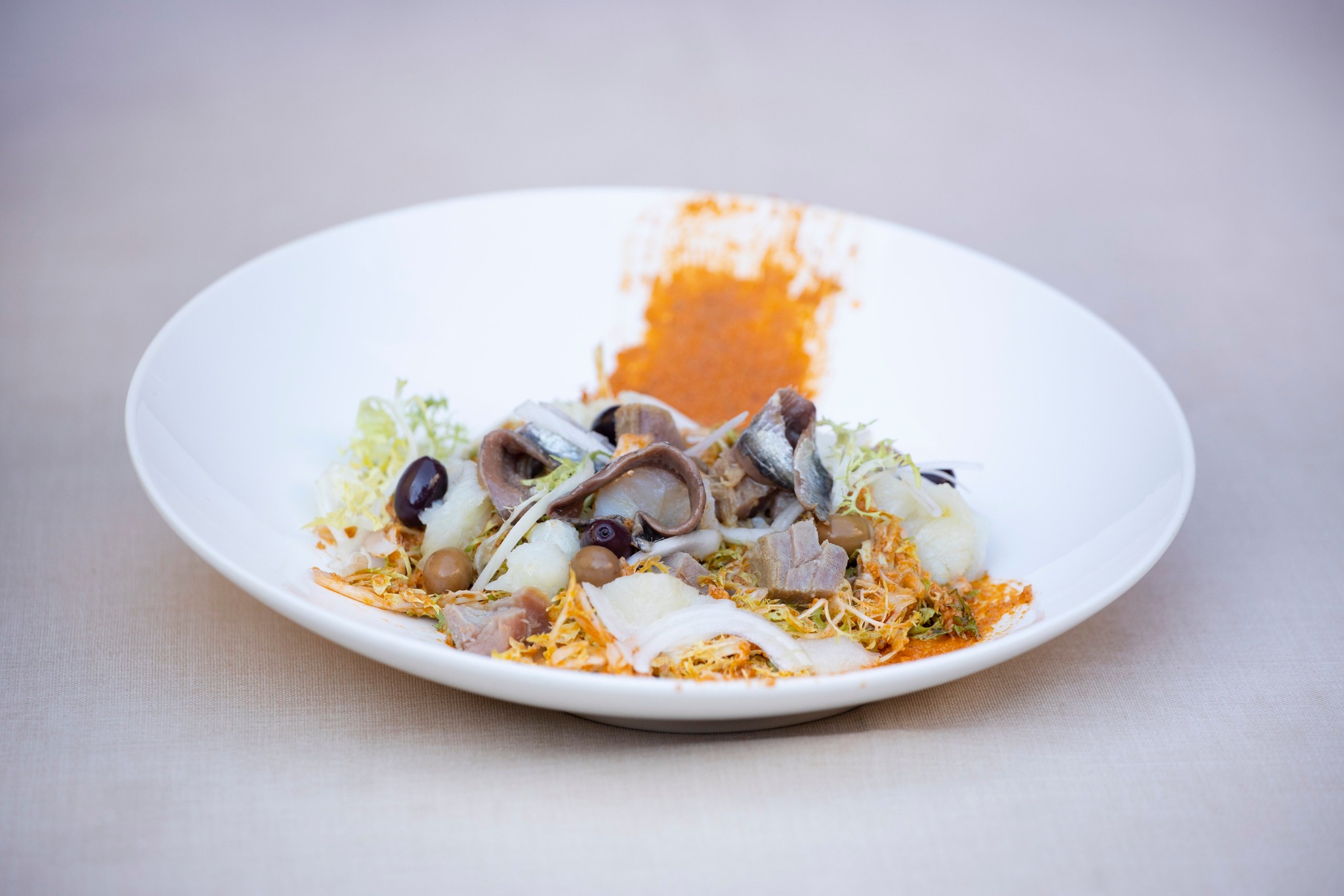
The romesco or romesco sauce is the typical accompaniment to calçots, but more and more Catalan cuisine, or more specifically that of the Costa Daurada, has been incorporating it into many more dishes. In fact, it is not uncommon to enter a restaurant on the coast and find two small dishes: one with a little aioli and the other with a little romesco, as they are the two most praised local sauces and accompany both fish and seafood, as well as rice or noodles.

But be careful, there is an interesting controversy. There are experts who say that calçots sauce is not the same as romesco sauce. And it seems true, but the differences are minimal. The one that accompanies calçots is called salvitxada, and is a variant of romesco sauce. This sauce is made with chilli. Also a variety of romesco is the xató sauce, which generally has tomato. The amount of raw garlic or roasted hazelnut/almond finish configuring the particular formula of each house or establishment. Because as in all popular recipes, each chef has his secrets, and also depending on the population where each recipe comes from, of course. The basic ingredients, however, are always tomato, pepper, oil and nuts.

If we talk about the Mediterranean diet, romesco sauce is, without a doubt, a clear emblem of it. Made with the products of the land, zero kilometer, and a perfect company for any winter or summer meal. Enjoy it and enjoy it!